Do Not Touch the Salt Shaker: The Tiny Home Museum Craze Getting 112 Seconds of Fame
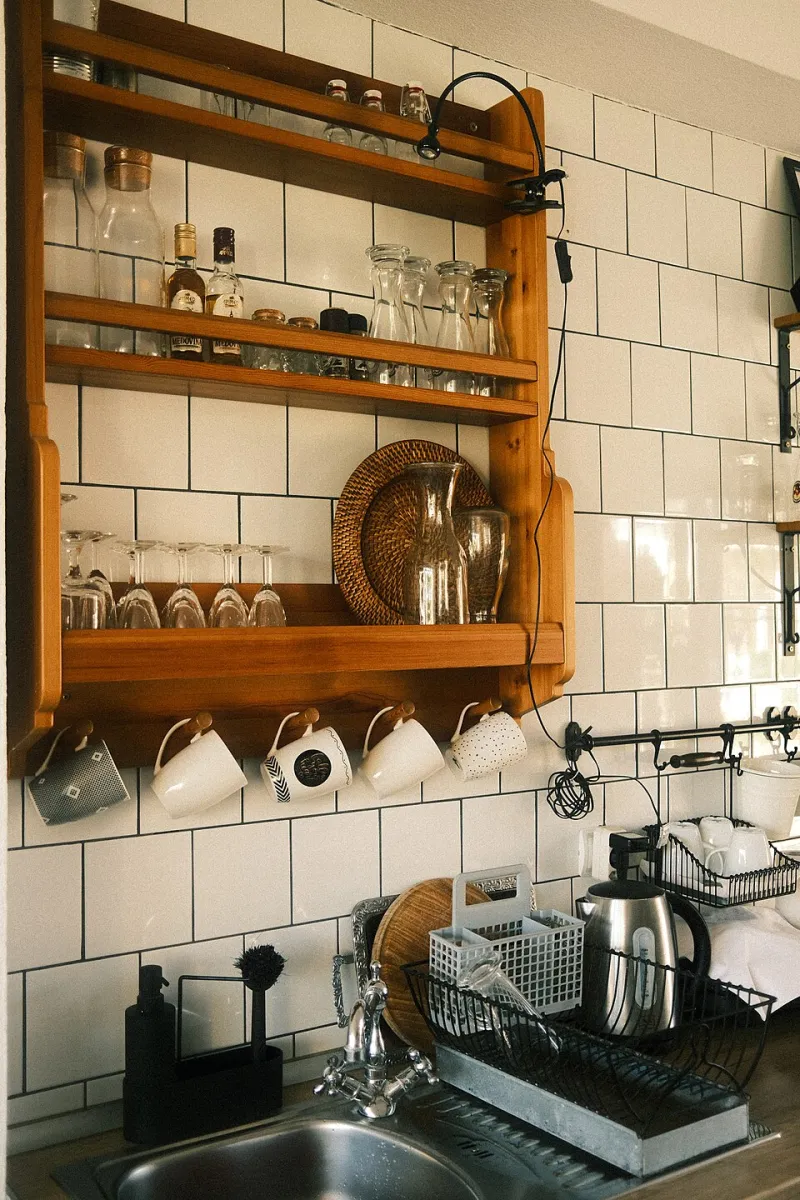
Photo: Shixart1985, CC BY 2.0, via Wikimedia Commons
Somewhere between a sourdough starter and a 47-part skincare routine, the internet found a new calming ritual: the 112-second shelf tour. It works like this. You clear one shelf. You arrange a handful of odd little objects. You narrate them like a docent who has had exactly one espresso. Then you hit record and stop at 112 seconds — not 111, not 113.
That is the whole format. No kitchen reveal. No sponsored blender. No dramatic before-and-after. Just a tiny exhibit, a calm voice, and a timer that keeps everyone honest.
One Shelf, Very Serious Business
The shelf can be anywhere. A spice rack. A windowsill. The top of a radiator. A bookcase nook that has been collecting birthday cards and a lone AA battery since roughly the beginning of time. The point is not square footage. The point is the frame.
Creators treat the shelf like a museum case. Objects get labels. Sometimes the labels are index cards. Sometimes they are printouts with tiny logos and accession numbers. One person mounted a dried orange peel with the caption: acquired in winter, never used, still smells like optimism. Another gave a chipped mug a full provenance card: gifted by a neighbor, survived three moves, retired from coffee duty.
The humor comes from the mismatch. A salt shaker is just a salt shaker until someone places a small card beside it that reads: do not touch, 20th-century kitchen artifact. Then it becomes funny. Then it becomes weirdly soothing.
Why 112 Seconds Works
A shelf tour is short enough to watch while the kettle boils and long enough to feel like a visit. That is the sweet spot. You are not committing to a 22-minute vlog about someone else's cabinets. You are not scrolling past a silent montage of beige living rooms. You are getting a quick, contained story with a beginning, a middle, and a tiny plaque at the end.
The 112-second limit also forces choices. You cannot show everything. You cannot explain every inside joke. You pick five or six objects, give each one a line or two, and move on. That constraint is why the videos feel calm instead of cluttered. The creator has already done the editing work for you.
And yes, the odd number matters. It gives the format a small puzzle piece. Viewers check the timestamp. They comment when someone accidentally runs 117 seconds. They make jokes about the 112-second rule being the only law anyone respects in 2026. It is a gimmick, but it is a gentle one.
The No-Buy Rule Is the Whole Point
Here is where the trend avoids becoming another haul video. The unofficial rule is simple: do not buy anything for the shelf. The exhibit has to be built from what is already in your home. That means no fresh Amazon orders, no thrift-store hauls staged as spontaneous finds, no matching acrylic risers purchased specifically for the bit.
That rule changes the energy. Instead of showing off new stuff, people are showing off old stuff with a story. A ticket stub. A rock from a parking lot. A souvenir spoon from a state you drove through once. A plastic dinosaur that has been guarding the spice rack since 2019. The objects are not expensive. They are just specific.
The no-buy rule also makes the trend accessible. You do not need a beautiful kitchen or a spare afternoon. You need a shelf and a willingness to look at your own clutter like a museum curator. That is a very different ask from most home-content trends, which tend to require a Target run and a ring light.
How to Open Your Own Tiny Museum
Start small. Pick one shelf, one windowsill, or one corner of a bookcase. Do not reorganize your entire home. That is how this becomes a chore instead of a five-minute creative break.
Choose five to seven objects. Mix something useful, something sentimental, and something genuinely strange. A wooden spoon. A concert ticket. A tiny ceramic frog. A key you cannot identify. The mix matters more than the individual pieces.
Write labels by hand or print them. Keep them short. A label should give the object a little dignity and a little side-eye. For example: brass bell, unknown origin, loud. Or: grandmother's thimble, retired from active duty. The label is not there to explain everything. It is there to make the viewer lean in.
Then practice your narration once. You do not need a script. Just say what the object is, where it came from, and why it made the cut. If you stumble, keep it. The casual delivery is part of the charm. Set your phone on a stable surface, use natural light, and record. Stop at 112 seconds. If you go over, cut a sentence, not the weirdest object.
The Placards Are the Punchline
The best shelf tours understand that the placards are doing comedy work. A serious label next to a silly object is funny. A silly label next to a serious object is also funny. The tone can be deadpan, but it should not be mean. The shelf is not a roast. It is a tiny retrospective.
People are also using the format to document small histories. A shelf might hold three generations of measuring spoons. Another might be a museum of things found in coat pockets. One creator built an entire exhibit around objects that had been left at their apartment by guests. The placards turned random leftovers into a story about friendship, forgetfulness, and the strange intimacy of sharing a hallway.
That is the real appeal. The shelf is small, but the story is not. It is a way to make ordinary life feel a little more deliberate. A way to notice what you already have. A way to be funny without being loud.
A Small Exhibit in a Loud Feed
In a feed full of big reactions, tiny shelf museums are a quiet counterprogramming. They do not ask you to buy anything. They do not ask you to renovate anything. They ask you to look at a salt shaker and consider its journey.
So if your kitchen shelf is currently a graveyard of loose tea bags and mystery keys, congratulations. You are already halfway to opening a museum. You just need a label maker, 112 seconds, and the courage to call a chipped mug an artifact.