One Minute, Fifty-Two Seconds: The Speed-Dating Nights Where the Clock Does the Flirting

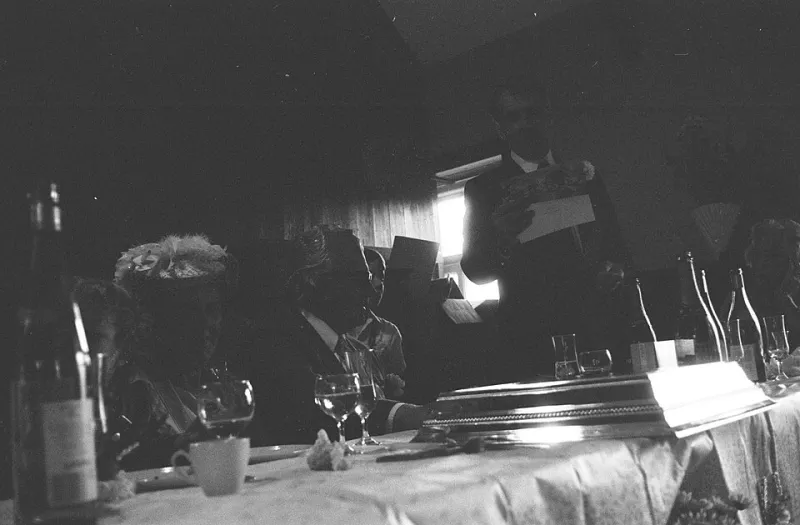
Photo: David Dixon , CC BY-SA 2.0, via Wikimedia Commons
The first thing you notice is the timer. Not a phone, not a wristwatch—a chunky little kitchen timer sitting in the middle of a bar table, set to 1:52. For the next one minute and fifty-two seconds, two strangers are supposed to figure out if they’d like to keep talking. Then the bell rings, the chairs shuffle, and everyone starts over.
Welcome to the 112-second speed-dating night, a format that has been quietly filling Tuesday and Wednesday slots in bars from Austin to Brooklyn this year. The rules are simple: eight to twelve rounds, one timer, no swapping contact info until the end. Organizers say the oddly specific number is the whole point. Not ninety seconds, which feels like a fire drill. Not a clean two minutes, which invites people to settle in. One hundred twelve seconds—just under the two-minute mark—is long enough to make a first impression and short enough to avoid the usual small-talk spiral.
Why 112 Seconds, and Not a Clean Two Minutes
Ask the people running these events and they’ll tell you the number came from trial and error. Ninety seconds was too rushed. People barely got through names and neighborhoods before the bell. Three minutes was worse: it gave everyone enough rope to hang themselves with a meandering story about their commute or a detailed breakdown of their last situationship.
At 112 seconds, something clicks. You can cover the basics—name, what you do, one weird fact—and still have a few seconds to actually react to the other person. It’s the conversational equivalent of a microwave meal: not gourmet, but hot and done before you lose interest. The number also has a nice rhythm when the host shouts it across the room. “One-one-two!” sounds less like a punishment than “two minutes” does.
And yes, the 112 motif has been popping up everywhere online, from timestamp scavenger hunts to micro-story challenges. But the speed-dating organizers insist the number wasn’t borrowed from a meme. It was borrowed from impatience.
The New Etiquette of a Very Short Date
A 112-second date rewires the usual rules. There’s no time for a resume. You can’t ask about someone’s five-year plan or their relationship with their mother. You definitely can’t do the thing where you pretend to listen while planning your next sentence.
What you can do is ask one good question. Regulars at these events swear by the “two-sentence rule”: answer briefly, then throw the conversation back. The people who do best aren’t the smoothest talkers—they’re the ones who make the other person feel interesting in under two minutes. The timer does the rest.
There’s also a new exit ritual. In normal dating, leaving a mediocre conversation requires a small lie about a friend waiting or a drink that needs refilling. Here, the bell is the villain. You don’t have to reject anyone; the clock does it for you. That built-in permission to leave is the format’s quiet superpower. People are more relaxed because they know the end is coming, which makes them more likely to be honest, funny, or at least less guarded than they’d be in a longer, open-ended chat.
What the Bars Get Out of It
For bars, the appeal is obvious. A slow weeknight gets a ticketed event, a room full of people buying drinks, and a built-in after-party. The format is cheap to run: name tags, a timer, a host with a loud voice, and a stack of prompt cards. Many venues pair the rounds with a “follow-up lounge” afterward—twenty minutes of open floor where anyone who felt a spark can keep talking without the bell looming.
It’s also a social media machine. People post photos of the timer, the name tags, the handwritten scorecards. The 112-second recap video is practically a genre now: quick cuts of awkward hellos, fake laughs, and one genuine connection at the end. The bars don’t mind. Free marketing is free marketing.
The Case Against (and the Case For)
Critics say 112 seconds is a gimmick. It rewards fast talkers. It punishes shy people. It reduces human chemistry to a stopwatch. All of that is true, at least partly. But the organizers counter that speed dating was never a final exam. It’s a filter. You’re not trying to fall in love in 112 seconds; you’re trying to find one person you’d willingly talk to for another twenty minutes. The follow-up lounge is where the actual dating happens.
And for a lot of people, the short rounds are a relief. Dating apps have made first impressions feel like an endless audition. A 112-second conversation is low stakes by design. You don’t have to be charming for an hour. You just have to be present for a minute and fifty-two seconds. If it doesn’t work, the bell saves you. If it does, you get a second round without the guesswork.
Is It a Fad or a Fix?
Speed dating has been around in various forms since the 1990s, so the format itself isn’t new. What feels new is the precision. The oddly specific timer is a reaction to a very 2026 problem: people want connection but don’t want to waste time. They want the efficiency of an app with the warmth of a room full of strangers. The 112-second night promises both, or at least a decent Tuesday out.
Some organizers are already testing spin-offs: 112-second friend-dating, 112-second networking, even 112-second parent mixers at school fundraisers. But the core product remains the same. A bell, a name tag, and a reason to stop talking. In a culture that loves a countdown, it might be the most honest dating advice of the year: don’t worry about being impressive. Just show up for the timer.