The Clock Runs Out at City Hall: Why 112-Second Speeches Are Must-See TV
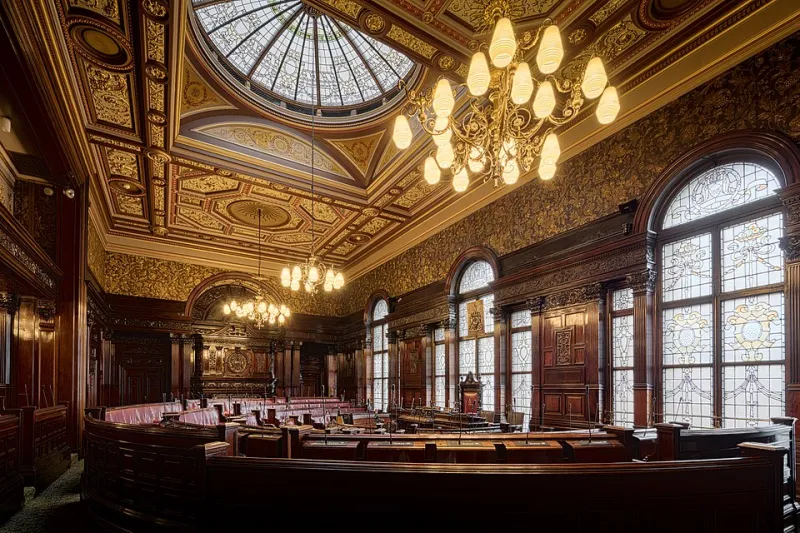
Photo: Michael D Beckwith, CC0, via Wikimedia Commons
Scroll past the cooking hacks and the dashboard confessionals on a weeknight and you may land somewhere unexpected: a grainy municipal meeting, a timer in the corner, and a resident with 112 seconds to say everything they came to say.
That is the premise behind a fast-growing genre of viral clip: the 112-second public comment. Across the U.S., local councils, school boards, and zoning commissions are experimenting with tight speaking limits, and some are landing on 1 minute and 52 seconds—often shortened to 112 in the chyron or clip title. The result feels part C-SPAN, part stand-up set, part pressure cooker.
The Format Is the Drama
The appeal is not politics in the abstract. It is the clock. A speaker steps to the podium, introduces themselves, and gets a visible countdown. There is no time for throat-clearing. A pothole complaint becomes a three-act play: the setup, the evidence, the demand. A parent upset about a bus route has to compress a semester of frustration into a monologue shorter than a sitcom cold open.
Clips work because the stakes are small enough to grasp and real enough to matter. A man argues that a stop sign is in the wrong place. A teenager asks why the skate park lights shut off at dusk. A retired teacher brings a folder of photos and a very specific theory about storm drains. The timer does not care about context. It just runs.
Why 1:52 Works
Two minutes is the standard in plenty of public meetings. So why does 112 seconds hit differently? For one thing, it is just short enough to feel unusual. A speaker who gets 112 seconds cannot hide. Every sentence has to earn its place. For another, the number itself has become a recognizable hook—short, repeatable, and easy to put in a thumbnail.
The format also gives viewers a clean ending. Most viral clips promise a payoff and then wander. A timed public comment has a built-in climax: the beep, the polite interruption, the speaker talking faster, the gavel. Even when nothing dramatic happens, the countdown supplies structure. That is catnip for the scroll.
The Small-Town Stars
The breakout figures are rarely professional politicians. They are people with a grievance, a hobby, or a very specific vision for a vacant lot. One clip that circulated widely this fall showed a resident using her 112 seconds to compare a proposed development to a stacked game of Jenga. Another featured a man who brought a kitchen timer of his own and set it on the podium, as if to negotiate with the house clock.
Local officials are adjusting. Some meetings now post speaker rules online. Some clerks remind residents that time limits are enforced. Others have leaned into the attention, sharing clips with captions that explain the agenda item. The result is a strange hybrid: civic business and internet variety show, running on the same feed.
When the Clip Outruns the Meeting
The risk is obvious. A 112-second speech is not the whole meeting. It is not the budget memo, the legal review, or the public comment from the next ten speakers. Clips can make a routine zoning decision look like a showdown, or turn a confused resident into a villain. Viewers who never watch the full stream may come away with a distorted picture of what actually happened.
That does not make the clips worthless. It makes them a trailer, not the feature. The best channels link to the full agenda and the timestamp. The worst ones strip away all context and let the comments section write the ending.
The Takeaway
City hall has always been theater. The difference is that now the theater has a runtime. A 112-second limit does not make local democracy simple, but it does make it legible—at least for a minute and fifty-two seconds. Whether that turns into lasting civic attention or just another bingeable format is the real cliffhanger.