That 'Emergency Call 112' Button on Your Lock Screen: What It Does, and What It Doesn't
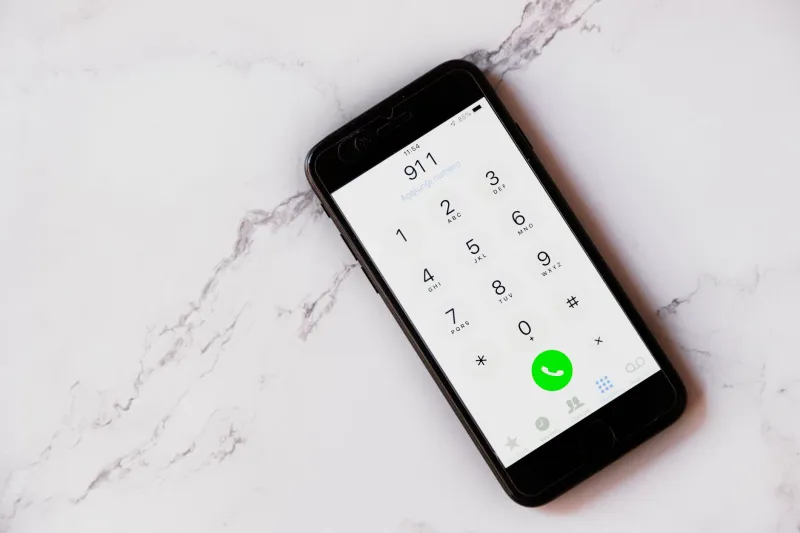
Your phone is flat on the kitchen counter, screen up, and a line near the bottom reads Emergency Call 112. Maybe you noticed it for the first time this week. Maybe someone in the group chat noticed it for you, attached a screenshot, and typed "why does my phone want me to call 112??" — followed by eleven replies that are all confidently wrong.
Take a breath. Nothing is broken, nothing has been hacked, and nobody is monitoring your screen. Here's the short version first, then the longer one, because the longer one is actually kind of interesting.
The two-sentence answer
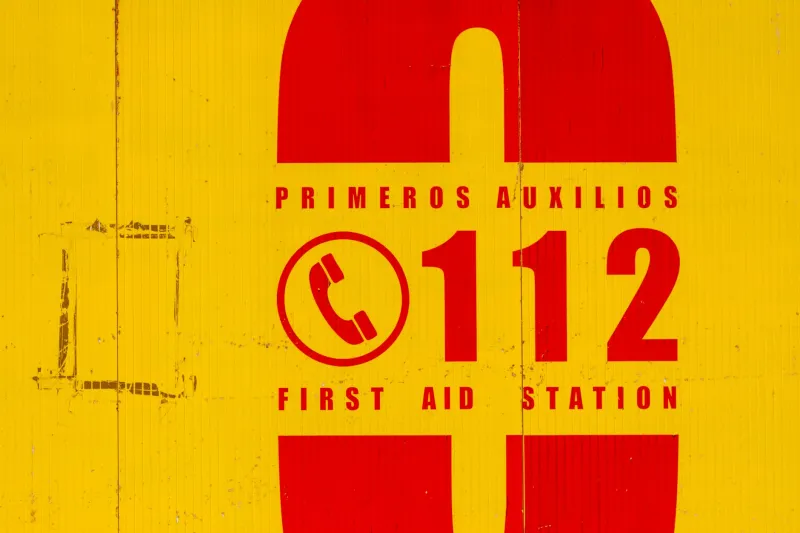
112 is the emergency number used across most of Europe and a big chunk of the rest of the world. In the United States, it is not the emergency number — that's still 911, and it isn't changing. Tapping the 112 shortcut on a locked phone in Ohio or Arizona will almost certainly get you a carrier recording, a fast busy tone, or silence. Not a dispatcher.
So why is a European number sitting on an American lock screen?
Because phones aren't built one country at a time. Handset makers ship a single global emergency dialer, and that dialer has to cover the numbers people use everywhere: 911 for North America, 999 for the UK, 000 for Australia, 112 for the European Union and dozens of other countries. The lock screen just surfaces the generic option, usually as "Emergency Call" or "Emergency Call 112."
Normally your SIM, your carrier settings, or your region choice nudges the label toward the local number. But that handoff isn't perfect. It misfires on newly activated eSIMs, on phones imported or bought unlocked overseas, on devices that were reset recently, and on travelers who popped in a foreign SIM and then went home. Sometimes it just... stays. A phone set up in Portugal and later used in Pennsylvania may keep wearing its European hat for a while.
None of that is a warning sign. It's a settings quirk with an international accent.
What actually happens if you tap it in the US
Most of the time: a recorded voice telling you the call cannot be completed, or nothing at all. US carriers aren't required to route 112 anywhere, and most don't. A few setups may pass the call along to 911 as a courtesy, but you should not count on that, and you should absolutely not run an experiment to find out. Testing emergency numbers is the one science fair project that can end with a fire truck in your driveway.
Here's the part worth repeating to anyone who panics: the button isn't dangerous. It's a shortcut, not an autodial. Your phone does not call 112 on its own, in your pocket, while you sleep, or because a pop-up ad told it to. It waits for a finger.
If you did tap it by accident
This is the scenario people actually need a plan for, so here's one.
- If you hear a recording or a busy signal: hang up. Nothing happens. Go back to your coffee.
- If a real person answers: do not slam the phone down. Dispatchers treat a hang-up as a possible emergency and may spend time calling you back. Say clearly, "I'm sorry, this was an accidental dial, there is no emergency," and confirm your location if they ask.
- If you're not sure who answered: stay on the line for a few seconds. It costs you nothing and saves everyone a callback.
- Never dial it to "see what happens." That's true for 911 here and 112 anywhere else.
The travel case, which is the genuinely useful part
If you're heading to Europe, the UK, or much of Latin America and Asia in 2026, 112 is the number to file away. It's free, it works from locked phones and often from phones with no SIM or no active plan, and in many countries the operators speak English or can connect you to someone who does. It reaches police, fire, and ambulance — you tell them which one you need.
That's also why the button exists in the first place. Lock screens have to work for a stranger. If you collapse on a sidewalk, the person kneeling next to you shouldn't need your passcode to call for help. The emergency shortcut is designed for their thumb, not yours, and it's supposed to work in whatever country the phone happens to be in.
The group chat version
If you're the person who has to settle this for everyone, here's the copy-paste: 112 is Europe's 911. It's on your phone because phones are built for the whole planet. It won't connect to anyone in the US, and it won't dial itself. If you ever hit it by mistake and someone picks up, just say it was an accident and stay on the line for a second.
And if you genuinely need help in the States — tonight, tomorrow, whenever — the number is still, and will remain, 911. Texting 911 is available in a growing number of areas too, which is worth checking for your own county before you ever need it.
The lock screen line is a small oddity with a boring explanation and a genuinely handy takeaway. Which, honestly, is the best kind of internet mystery: the kind that ends with you knowing something instead of fearing something.