One Task, Zero Talk: Why Chore Clips Became 2026's Calmest Corner of the Internet
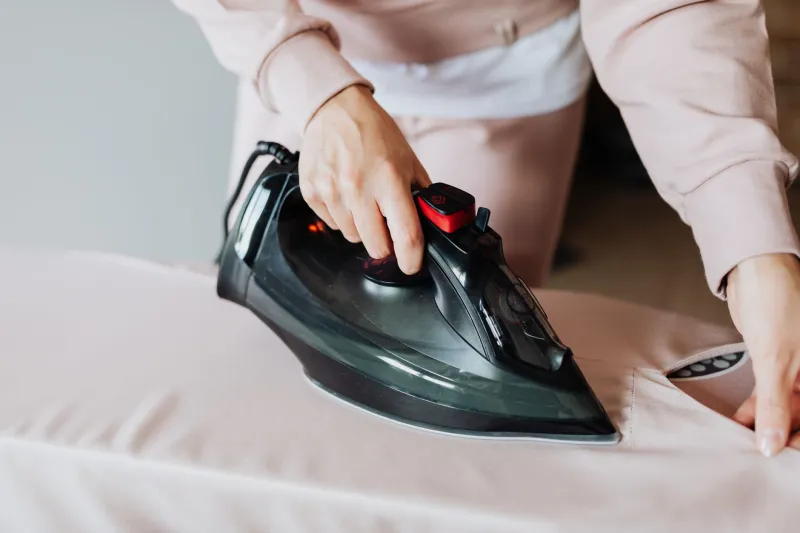
You hear the iron hiss before you see the shirt. There is no hey guys, no intro card, no music swelling under the first frame. A pair of hands lays a sleeve flat on the board, presses the iron down, and works slowly toward the cuff. The clip lasts 47 seconds. Then it ends. Somewhere in a group chat, someone has already sent it with the message: this is the energy I need today.
The single-task clip is having a moment in 2026. These are short videos, usually 30 to 90 seconds, in which one person does exactly one mundane thing. They iron a sleeve. They peel an orange in one strip. They sort a junk drawer. They wind a cable. They match Tupperware lids. They pit cherries. They fold a fitted sheet with the grim determination of someone defusing a bomb. There is no talking, no soundtrack, and no attempt to teach you a life hack. The video simply shows the task from start to finish, and then it gets out of the way.
The genre rules are almost aggressively simple
A single-task clip follows a few unspoken rules. One task, one clear beginning, one clear end. The camera stays close, usually overhead or at an angle that keeps the hands in frame. The sound is real: water running, drawers sliding, paper crinkling, the soft snap of a citrus peel. If there is an edit, it is there to skip a dead moment, not to create a dopamine spike. The creator does not explain why they are doing it. They do not tell you to buy the thing. They do not remind you to like and subscribe.
That restraint is the whole point. Most internet video is built to grab you by the collar. The single-task clip does the opposite. It asks you to watch something ordinary and lets your attention settle there. It is not exactly ASMR, though the sounds matter. It is not a tutorial, though you might pick up a trick. It is not productivity content, either, because the goal is not to optimize your life. The goal is to watch a sleeve get flat.
Why a boring video feels like a deep breath
The feed is loud. Even the calm parts are usually trying to sell you a meditation app or a better morning routine. A single-task clip removes almost every decision. You do not have to follow a plot. You do not have to decide how to feel about a stranger's opinion. You just watch a person sort batteries and takeout menus into a drawer. Your brain can track one thing at a time, which is sometimes all it wants.
The format also has a built-in ending. A 47-second clip of someone peeling an orange is not going to cliffhang you. The task finishes, the video stops, and you are free to keep scrolling or put your phone down. That finite quality is a big part of the appeal. In a feed designed to feel endless, a clip with a clear finish feels almost luxurious.
How creators make them without making them feel made
Good single-task clips feel stumbled upon, even when they are carefully planned. Creators often shoot alone with a phone propped on a shelf or a tripod. They use natural light. They resist adding a voiceover. Some follow a one-take rule, or as close to it as they can get. The result is a video that feels like surveillance footage from a very peaceful kitchen.
The hardest part is choosing the right task. It has to be ordinary enough to feel universal, but textured enough to hold the eye. Ironing a sleeve works because sleeves are small and stubborn. Peeling an orange in one strip works because it has a clear goal and a satisfying payoff. Sorting a junk drawer works because almost every American home has one, and because the drawer is a tiny archaeology site of old batteries, loose screws, and takeout menus. The task does not need to be beautiful. It needs to have a beginning, a middle, and an end.
The most rewatchable tiny tasks
The breakout stars of the genre tend to be tasks with a soft soundtrack and a visible finish line. Ironing a sleeve is a classic. Peeling citrus in one ribbon is the genre's Super Bowl. Winding a charging cable into a neat loop is short, satisfying, and oddly intimate. Matching socks is a crowd-pleaser because everyone has a laundry chair and nobody wants to admit it. Decanting spices into small jars is popular with the aesthetically inclined. Pitting cherries is seasonal but intense. Sorting silverware is the quiet little cousin of the junk-drawer clip.
The tasks that flop are usually too complicated or too performative. If the creator is clearly showing off, the calm breaks. If the task requires a lot of explanation, the silence starts to feel awkward. The best clips feel like a person forgot the camera was there, even if they absolutely did not.
Why they travel through group chats
Single-task clips are perfect group-chat material because they require no context. You do not need to know the creator. You do not need to follow a storyline. You just send a 52-second video of someone folding a sheet and let it speak for itself. In 2026, that makes them a kind of low-bandwidth care package. They say: I saw this and thought of your brain, which needs a break.
They are also a welcome neutral ground. Group chats can turn into debate clubs fast. A clip of someone sorting a junk drawer is not going to start a fight. It is not political. It is not an ad. It is just a small, finite thing happening in a room. That might be the most anti-algorithm quality of all: it does not demand a reaction. It just gives you a minute.
The calm is the point
The single-task clip will not fix your day. It will not make your drawer less chaotic or your shirts less wrinkled. But it offers something the feed rarely does: a clear, contained moment where the only thing happening is a sleeve getting flatter. In 2026, that is enough to keep people sending these clips to the group chat with a simple message: watch this. You will feel better. Maybe you will. At the very least, you will watch an orange get peeled in one perfect strip.